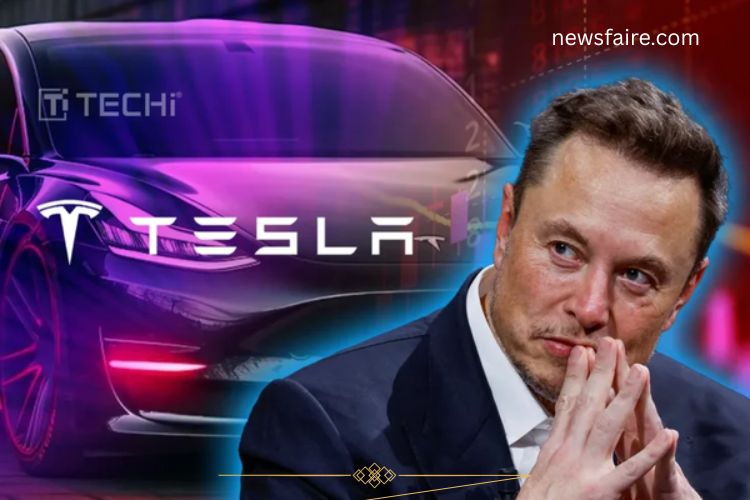
Tesla is no stranger to headlines, but its latest legal challenge over Autopilot and Full Self-Driving (FSD) advertising strikes at the very heart of its brand. For years, Tesla has positioned itself not just as an electric vehicle (EV) manufacturer, but as a visionary leader shaping the future of autonomous driving. Now, that vision faces scrutiny, and the outcome could have far-reaching consequences for the company, its investors, and the broader EV market.
Read More: TSLA, PLTR, and SMCI Set to Surge: Brace for a Thrilling Wednesday Tech Stock Rally!
Autonomy Claims Under the Spotlight
Tesla’s marketing has long highlighted its vehicles’ advanced autonomy features. The promise of Full Self-Driving captured public imagination, turning Tesla into more than a car company—it became a symbol of technological progress. Yet, the company’s aggressive claims may now backfire. Legal authorities are investigating whether Tesla has overstated the capabilities of Autopilot and FSD.
If regulators and courts conclude that Tesla misrepresented its technology, the consequences extend beyond fines. A significant trust deficit could emerge, one that no stock rally or flashy product launch can immediately repair. In the automotive world, reputation is currency. Customer loyalty and investor confidence rely heavily on credibility. Any erosion of that trust could have a lasting impact on Tesla’s market position, influencing both sales and stock performance.
Impact on Tesla Stock and Investor Sentiment
The lawsuit adds pressure to Tesla stock at a time when global EV demand is slowing, profit margins are under strain, and competition is intensifying. Chinese manufacturers and traditional Detroit automakers are closing the gap, offering attractive alternatives to Tesla’s lineup.
While Tesla continues to expand its product portfolio—such as the Model Y launch in China and the long-term vision for robotaxis—investors remain cautious. Market response suggests that these initiatives may not fully offset the potential negatives of legal scrutiny and reputational risk. On a technical level, Tesla shares show signs of volatility, with weak support levels and bearish momentum indicators hinting at further uncertainty ahead.
Reputation Risk in the Autonomous Vehicle Industry
Tesla’s legal troubles may signal broader challenges for the EV and autonomous driving sector. Consumers are increasingly skeptical about exaggerated claims, while regulators demand transparency and accountability. A single high-profile case can ripple through the industry, influencing perceptions and regulations for all manufacturers.
The way Tesla handles this setback could define its future trajectory. If the company embraces transparency and reinforces trust, it may emerge stronger, using the moment as an opportunity to align expectations with reality. Conversely, continued controversy could undermine confidence not just in Tesla, but in autonomous driving technology as a whole.
Legal Challenges as a Catalyst for Change
History shows that companies often face transformative pressure when legal issues surface. For Tesla, the Autopilot lawsuit could be a turning point. Addressing regulatory concerns and clarifying product capabilities may force the firm to adopt stricter compliance measures and more honest marketing strategies. This approach could reassure consumers and investors, stabilizing both reputation and stock performance over time.
However, the path is uncertain. Tesla operates in a high-stakes environment where innovation and hype often intersect. The company’s success has relied on bold claims and visionary marketing. Balancing ambition with accountability will be critical as it navigates this legal and reputational challenge.
Market Dynamics and Competitive Pressure
Tesla’s current challenges coincide with a shifting EV landscape. Chinese manufacturers, including BYD and NIO, are ramping up production and gaining market share with competitively priced vehicles. Meanwhile, Detroit automakers are aggressively investing in EV technology, narrowing Tesla’s first-mover advantage.
This intensifying competition underscores the importance of trust and credibility. Customers now have multiple alternatives, and any perception of misleading claims could tilt buying decisions away from Tesla. Investor sentiment is equally sensitive; legal and reputational risks are increasingly factored into stock valuations, potentially amplifying volatility in Tesla shares.
The Investor Perspective
For investors, the Autopilot lawsuit represents a complex risk. On one hand, Tesla’s innovative products, global expansion, and long-term robotaxi plans provide a compelling growth story. On the other, regulatory scrutiny and reputational concerns introduce uncertainty that could affect stock performance in the short to medium term.
Technical indicators reflect this tension. Weak support levels and bearish momentum suggest that the stock may face downward pressure if investor confidence falters. Conversely, strong product launches and positive corporate developments could mitigate some of the negative sentiment. Navigating this balance will require careful monitoring of both Tesla’s legal strategy and market response.
Broader Implications for the EV and Autonomous Driving Market
Tesla’s situation highlights a critical lesson for the broader EV and autonomous vehicle industry: transparency matters. Exaggerated claims may generate excitement, but they also carry long-term risks. Regulators are increasingly focused on consumer protection, demanding that companies provide accurate information about vehicle capabilities.
The outcome of Tesla’s legal battle could set a precedent, influencing industry standards and regulatory expectations. If Tesla adapts proactively, it may strengthen the credibility of the autonomous driving sector as a whole. If the company faces reputational damage, it could fuel skepticism, slowing adoption and innovation across the market.
Potential Scenarios and Strategic Responses
Tesla has several paths forward. It could adopt a proactive approach, clarifying Autopilot and FSD capabilities, engaging with regulators, and reinforcing transparency in marketing. This strategy could restore consumer confidence and stabilize stock performance.
Alternatively, if the company resists regulatory pressure or continues to overstate capabilities, it may face prolonged reputational challenges. Legal fines, investor hesitation, and public skepticism could compound, potentially impacting Tesla’s market leadership and long-term growth prospects.
Frequently Asked Questions:
Why did Tesla stock drop 1.8%?
Tesla shares fell due to a growing legal challenge regarding the company’s Autopilot and Full Self-Driving advertising. Investors are concerned that potential fines or reputational damage could affect the company’s growth and market position.
What is the legal issue with Tesla’s Autopilot claims?
Regulators are investigating whether Tesla exaggerated the capabilities of its Autopilot and Full Self-Driving systems in marketing materials. If proven, the company could face fines and a loss of consumer trust.
How could this affect Tesla’s reputation?
If Tesla is found to have overstated its technology, it could lead to a trust deficit with consumers and investors. Loss of credibility may impact sales, stock performance, and long-term loyalty.
Are Tesla’s competitors benefiting from this situation?
Yes. Chinese EV makers and traditional Detroit automakers are closing the gap in autonomous and EV technology. Any reputational hit to Tesla could give competitors an edge in both market share and consumer perception.
Will Tesla’s new products offset the negative impact?
Tesla continues to expand its offerings, including new Model Y launches in China and future robotaxi plans. While promising, investors remain cautious, and it’s uncertain if these developments will fully counterbalance legal and reputational risks.
What does this mean for Tesla stock in the short term?
Technical indicators show weak support levels and bearish momentum, suggesting potential volatility. The stock may experience fluctuations as the legal case and investor sentiment evolve.
How might this legal case influence the EV and autonomous driving industry?
The case highlights the importance of transparency in marketing autonomous features. Regulators may tighten oversight, and consumer skepticism could grow, influencing how other companies advertise and build trust.
Conclusion
Tesla’s 1.8% stock drop amid the mounting legal scrutiny over its Autopilot and Full Self-Driving claims underscores the high stakes of balancing innovation with accountability. Beyond potential fines, the company faces a critical test of trust and credibility—key factors that drive customer loyalty and investor confidence. How Tesla navigates this challenge will not only influence its stock performance but may also shape the broader autonomous driving industry. For investors and industry observers, the situation highlights both the promise of Tesla’s technological vision and the risks of regulatory and reputational pressures.