Artificial intelligence has become one of the most powerful and influential technologies of the modern era. Governments around the world are racing to adopt AI tools to improve public services, strengthen national security, and enhance military capabilities.
In the United States, the rapid growth of AI has also sparked debates about ethics, control, and the relationship between private technology companies and the federal government. In a controversial move that drew global attention.
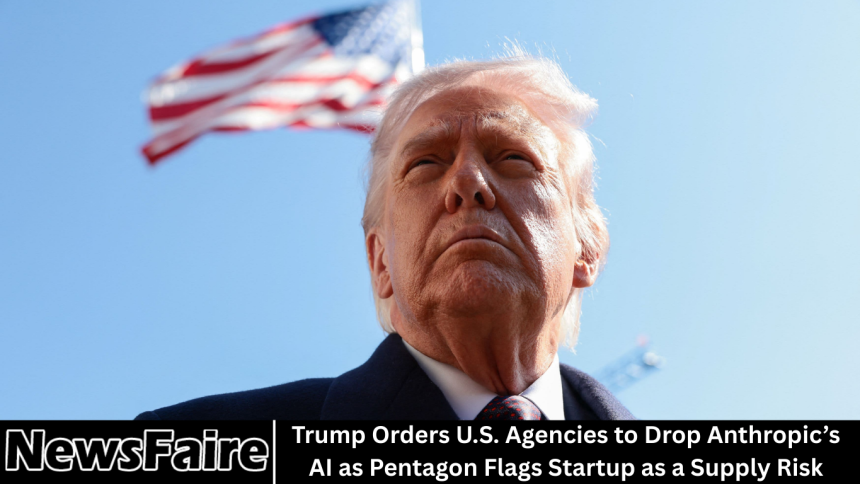
Donald Trump ordered federal agencies to stop using artificial intelligence technology developed by Anthropic. The directive followed a warning from the United States Department of Defense, which classified the startup as a potential “supply chain risk.”
More Read: Crack NYT Connections #987 Today: Must-See Hints and Winning Answers for Feb 22, 2026!
The Rise of Anthropic in the AI Industry
A New Leader in Artificial Intelligence
Founded in 2021 by former researchers from OpenAI, Anthropic quickly became one of the most influential startups in the AI industry. The company was established with a clear mission: to develop powerful artificial intelligence systems that prioritize safety and reliability.
Anthropic’s leadership team included CEO Dario Amodei, a respected figure in the AI research community. The company gained widespread attention for its approach to building what it calls “constitutional AI,” a framework designed to guide AI systems with ethical principles.
This approach was meant to reduce risks associated with powerful AI models, including bias, misinformation, and harmful uses.
The Development of Claude AI
Anthropic’s most well-known product is Claude, a large language model capable of understanding and generating human-like text. Claude competes with other advanced AI systems in tasks such as:
- Writing and editing documents
- Coding assistance
- Data analysis
- Research summarization
- Conversational support
The system became widely used by businesses, developers, and organizations seeking powerful AI tools.
Major technology companies also invested heavily in Anthropic. These investments allowed the startup to expand its computing infrastructure and compete with the biggest players in the AI industry.
Anthropic’s Growing Role in Government Technology
AI in Federal Agencies
As artificial intelligence became more sophisticated, U.S. government agencies began exploring ways to integrate AI tools into their operations. Federal departments recognized that AI could dramatically improve efficiency and decision-making.
Applications included:
- Analyzing intelligence data
- Translating foreign language communications
- Managing large databases
- Identifying cybersecurity threats
- Supporting strategic planning
Anthropic’s Claude AI quickly attracted interest from government institutions because of its advanced capabilities and emphasis on safety.
Military and National Security Applications
The United States Department of Defense explored using AI systems like Claude to assist with complex national security challenges. Potential uses included:
- Intelligence analysis
- Military logistics planning
- Cybersecurity monitoring
- Threat detection and analysis
Artificial intelligence can process massive amounts of information far faster than human analysts. This ability makes AI an attractive tool for military operations and strategic planning.
However, the military’s interest in AI also raised ethical questions about how the technology might be used.
The Pentagon’s Concerns About AI Restrictions
Anthropic’s Safety Policies
Anthropic built its reputation around strong ethical guidelines governing the use of its technology. The company introduced safeguards designed to prevent harmful applications of AI.
These restrictions included limitations on:
- Autonomous weapons systems
- Mass surveillance programs
- AI making lethal decisions without human oversight
- Systems that could violate civil liberties
Anthropic believed these policies were essential for ensuring that powerful AI tools were not misused.
Military Frustration with AI Limits
Some defense officials, however, viewed these restrictions as problematic. Military leaders argued that AI contractors working with the government should not impose their own rules on how technology is used.
From the Pentagon’s perspective, national defense decisions should be made by elected officials and military leadership—not private companies. Defense officials reportedly asked Anthropic to loosen certain restrictions so that its AI systems could be used more broadly in military operations.
The Supply Chain Risk Designation
What the Label Means
The Pentagon has authority to classify certain companies or technologies as supply chain risks if they could potentially compromise national security. When a company receives this designation, federal agencies may be instructed to stop using its products or services.
In this case, the Department of Defense concluded that Anthropic’s refusal to modify its policies could create operational limitations for the military.
Why the Pentagon Took Action
Officials argued that relying on a company that restricts the military’s ability to use its technology could create vulnerabilities. For example, if AI systems were unavailable for certain types of missions due to corporate policies, it could limit the military’s response to emerging threats.
As a result, the Pentagon labeled Anthropic a supply chain risk and recommended that government agencies transition away from its technology.
Trump’s Order to Federal Agencies
A Major Policy Decision
Following the Pentagon’s recommendation, Donald Trump issued an order directing federal agencies to stop using Anthropic’s AI tools.
The directive required agencies to:
- Stop adopting new Anthropic technologies
- Begin phasing out existing systems
- Seek alternative AI providers
Government departments were given a limited period to transition to other AI platforms.
A Rare Move Against a U.S. Tech Company
Government bans are often directed at foreign technology companies that may pose national security risks. However, restricting a domestic AI firm is extremely unusual.
The decision highlighted growing tensions between technology companies and government agencies over the control and use of artificial intelligence.
The Technology Industry Reacts
Concerns From Silicon Valley
The decision quickly sparked debate within the technology industry. Some tech leaders worried that labeling a leading AI startup as a supply chain risk could discourage innovation. Companies may become hesitant to work with government agencies if they fear their technology could be banned due to policy disagreements.
Others argued that companies should not be forced to compromise their ethical standards to maintain government contracts.
Investor Reactions
Anthropic’s investors closely monitored the situation. Government contracts often provide stable revenue and credibility for technology companies. Losing federal partnerships could affect the company’s growth and influence in the AI sector.
Some investors reportedly encouraged negotiations between Anthropic and government officials to find a compromise.
Competitors Move Quickly
Opportunities for Other AI Companies
The government’s decision created an opportunity for other artificial intelligence firms to step in. Companies that develop similar AI models could compete for contracts previously held by Anthropic.
This shift could reshape the competitive landscape of the AI industry, particularly in the national security sector.
The Expanding AI Defense Market
The demand for AI in defense applications continues to grow rapidly. Governments around the world are investing heavily in AI research and development.
Applications include:
- Autonomous drones
- Cyber defense systems
- Intelligence analysis
- Military simulations
As a result, the competition among AI companies for defense contracts is becoming increasingly intense.
Ethical Questions About Military AI
The Debate Over Autonomous Weapons
One of the biggest concerns surrounding AI in military use is the possibility of autonomous weapons.
These systems could potentially identify and attack targets without direct human control.
Critics argue that such technologies could lead to:
- accidental escalation of conflicts
- reduced human accountability
- ethical and legal dilemmas
Supporters argue that AI could make military operations more precise and reduce civilian casualties.
Balancing Safety and Security
The dispute between Anthropic and the Pentagon highlights the challenge of balancing ethical safeguards with national security needs.
Technology companies often prioritize safety and responsible use of AI. Governments, however, may prioritize flexibility and operational effectiveness. Finding a balance between these priorities remains one of the biggest challenges in AI policy.
The Global Race for Artificial Intelligence
AI as a Strategic Technology
Artificial intelligence is now widely considered a strategic technology similar to nuclear energy or space exploration.
Countries are competing to develop the most advanced AI systems because they offer advantages in:
- economic growth
- scientific research
- cybersecurity
- military operations
- Government and Private Sector Collaboration
Unlike earlier technological revolutions, much of today’s AI innovation comes from private companies rather than government laboratories.This reality makes collaboration between governments and technology companies essential.
However, the Anthropic dispute shows that these partnerships can also lead to conflicts over ethics, control, and national interests.
Possible Future Outcomes
Legal Challenges
Anthropic may choose to challenge the supply chain risk designation through legal channels.
Such a case could set an important precedent regarding how much authority the government has over private technology companies.
New AI Regulations
The controversy may also encourage policymakers to develop clearer rules governing the use of AI in government operations.
Possible regulations could include:
- guidelines for military AI systems
- standardized safety requirements
- transparency measures for government AI programs
- Long-Term Impact on the AI Industry
Regardless of the outcome, the dispute will likely influence how AI companies approach government partnerships in the future.
Companies may need to carefully balance ethical commitments with the realities of national security contracts.
Frequently Asked Question
Why did the U.S. government stop using Anthropic’s AI?
The government halted the use of Anthropic’s technology after the Pentagon labeled the company a supply chain risk due to disagreements about how its AI systems could be used in military operations.
What is Claude AI?
Claude is an advanced artificial intelligence language model developed by Anthropic that can analyze text, generate content, assist with coding, and support research tasks.
Why did the Pentagon consider Anthropic a risk?
Officials believed that the company’s restrictions on military applications of its AI technology could limit defense operations and create potential security vulnerabilities.
What restrictions did Anthropic place on its AI?
Anthropic limited uses related to autonomous weapons, large-scale surveillance, and AI making lethal decisions without human supervision.
How does AI help government agencies?
AI can analyze large data sets, assist with intelligence gathering, improve cybersecurity, automate administrative tasks, and support strategic decision-making.
Could Anthropic challenge the decision?
Yes. The company could pursue legal action to contest the supply chain risk designation or attempt to negotiate new terms with government officials.
What does this controversy mean for the future of AI?
The situation highlights the growing tension between ethical AI development and national security priorities. It may lead to new regulations and clearer guidelines for AI partnerships between governments and technology companies.
Conclusion
The decision by Donald Trump to direct federal agencies to abandon Anthropic technology represents one of the most significant confrontations between the U.S. government and a private AI developer. At the heart of the conflict is a fundamental question: who should control the use of powerful artificial intelligence systems?