
Are you fascinated by the incredible power of computers? What sets them apart from ordinary devices? The answer lies in their unique characteristics. From blazing speed to unmatched versatility, computers have transformed the way we work, learn, and communicate. Understanding their features helps explain why these machines have become indispensable in modern life.
What Makes Computers Special?
Computers are not just electronic devices—they are powerful tools designed to handle complex tasks quickly and accurately. They process information at incredible speeds, provide precise results, and can manage multiple operations simultaneously. With the ability to store vast amounts of data securely, computers are vital in schools, offices, homes, and industries worldwide.
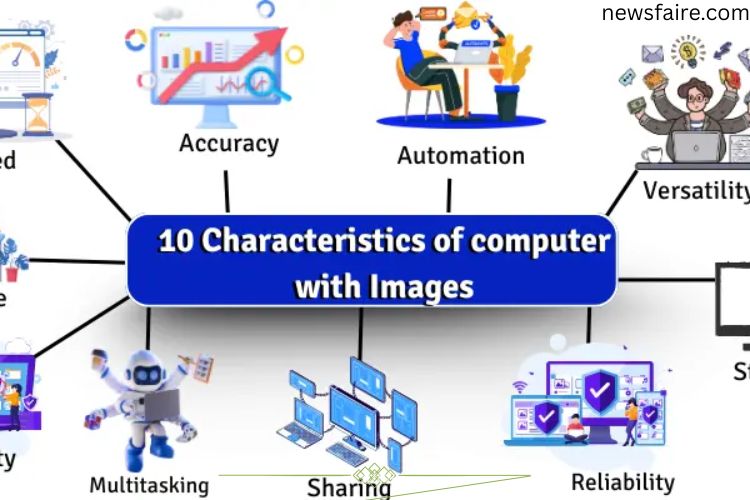
10 Key Characteristics of Computers
Computers come equipped with a set of features that make them fast, reliable, and efficient. Here are the ten most important characteristics that define a modern computer:
Speed
Computers are designed to perform calculations at lightning speed, processing millions or even billions of instructions per second. Speed is measured in megahertz (MHz) or gigahertz (GHz), reflecting the processor’s efficiency.
Example: Supercomputers predict weather patterns by processing massive amounts of data in seconds.
Fact: The fastest supercomputer today can perform 442 quadrillion calculations per second.
Accuracy
One of the most remarkable qualities of computers is their precision. When programmed correctly, computers execute tasks with almost zero error, ensuring reliable and consistent results.
Example: NASA relies on computers for space mission calculations to maintain perfect accuracy.
Fact: Robotic surgeries today use computer precision to improve patient safety and outcomes.
Automation
Computers can operate automatically, completing tasks without human intervention. Automation allows users to schedule activities, run programs, and manage repetitive tasks efficiently.
Example: Automatic bill payments, smart home devices, and scheduled email reminders are powered by computer automation.
Fact: The first automatic computer, Harvard Mark I (1944), was the size of an entire room yet performed complex calculations.
Versatility
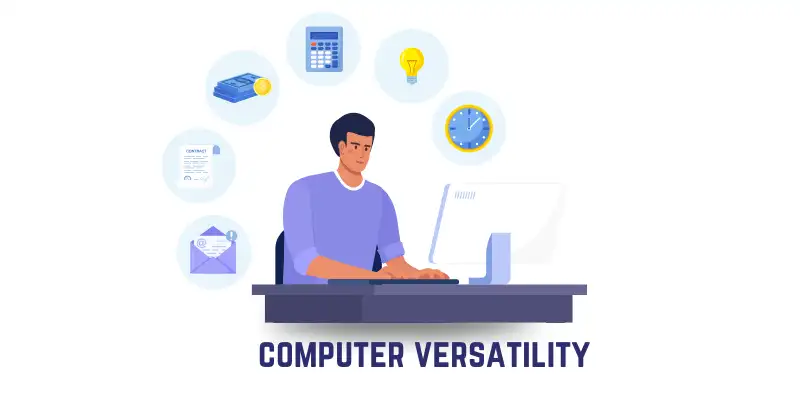
Computers are versatile, capable of performing a wide range of tasks. They can create documents, play games, stream videos, run software applications, and facilitate communication—all on the same device.
Example: A laptop can serve as a workstation, entertainment hub, and communication center simultaneously.
Storage
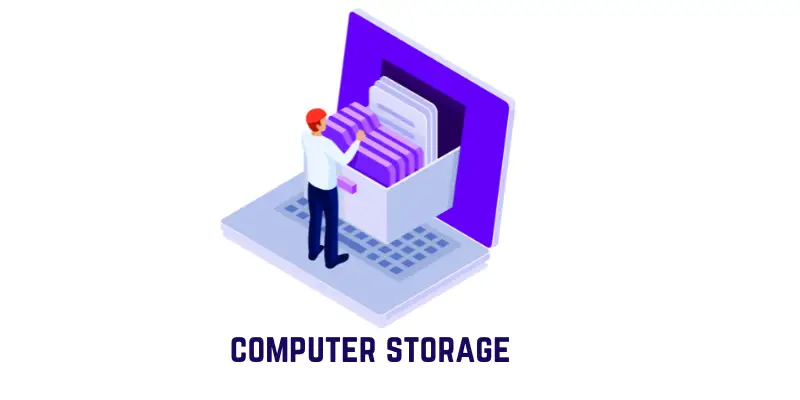
Computers provide massive storage capacity, allowing users to save documents, photos, videos, and programs for future use. Storage devices range from internal hard drives to cloud solutions.
Example: A 1TB hard drive can store 250,000 songs or 500 hours of HD videos.
Fact: The first hard drive in 1956 was as large as a refrigerator and could store only 5MB of data.
Reliability
Computers are dependable machines that consistently perform tasks over long periods without failure. This reliability has made them central to operations in banking, research, and healthcare.
Example: Banks process thousands of transactions daily with computer systems.
Fact: Some computers from NASA’s Apollo missions are still operational for research purposes.
Security
Modern computers offer robust security features to protect sensitive data. Users can implement passwords, encryption, and other safeguards to prevent unauthorized access.
Example: Online banking platforms rely on advanced computer security to protect financial information.
Fact: The first computer virus, Creeper (1971), marked the beginning of modern cybersecurity concerns, now involving billions of threats worldwide.
Diligence
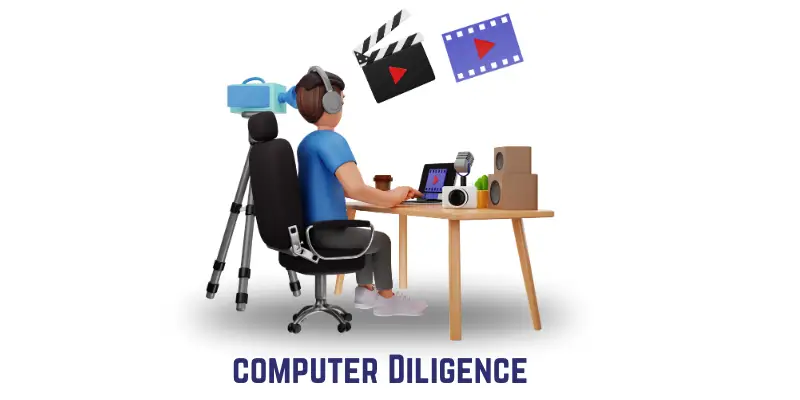
Unlike humans, computers do not tire or lose focus. They can operate continuously without errors, performing repetitive tasks with the same level of efficiency and accuracy.
Example: Weather forecasting computers run non-stop to provide accurate climate predictions.
Multitasking
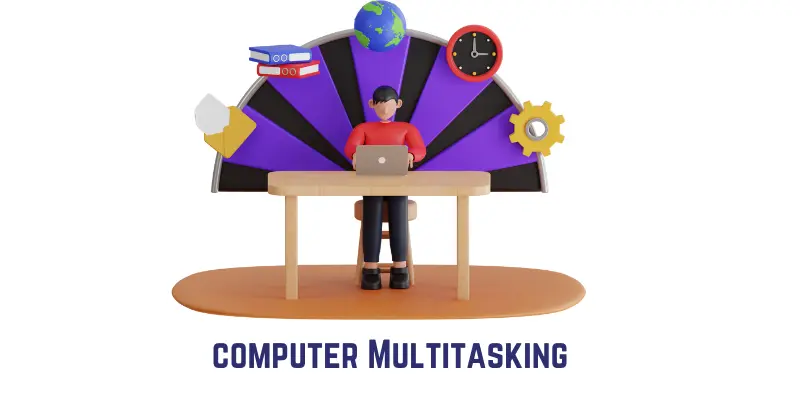
Computers excel at multitasking, handling multiple processes simultaneously without slowing down. From typing documents to streaming music and browsing the internet, they manage complex operations with ease.
Fact: Early computers could perform only one task at a time, while modern machines manage hundreds of tasks concurrently.
Sharing
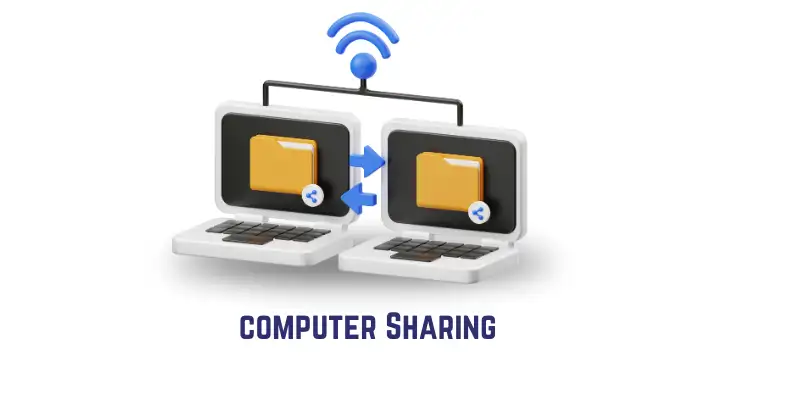
Computers make it easy to share information instantly across networks. Whether through email, cloud services, or messaging apps, files and data can be transferred quickly and securely.
Example: Google Drive allows users to collaborate and share documents in real-time.
Fact: In the 1980s, sending a 1MB file could take hours, whereas today, 1GB can be shared in seconds.
Frequently Asked Questions:
What makes computers incredibly powerful?
Computers combine high-speed processing, unmatched accuracy, and versatile functionality, allowing them to perform complex tasks faster than humans.
How do computers achieve lightning-fast speed?
Modern processors and advanced architectures allow computers to process millions or billions of instructions per second, enabling rapid calculations and real-time data processing.
Why is accuracy important in computers?
Accuracy ensures that every task—from calculations to data analysis—is performed with minimal or zero errors, which is critical in fields like healthcare, research, and finance.
What are the main characteristics of powerful computers?
Key traits include speed, accuracy, automation, versatility, storage, reliability, security, diligence, multitasking, and the ability to share data efficiently.
How do computers handle multiple tasks at once?
Through multitasking and advanced operating systems, computers can run several applications simultaneously without slowing down, improving productivity.
What role does storage play in computer power?
Ample storage allows computers to save vast amounts of data, software, and multimedia, making them capable of handling large-scale projects and datasets.
How do computers stay secure while sharing information?
Computers use encryption, firewalls, passwords, and other security protocols to protect sensitive data during storage and transmission.
Conclusion
Computers are extraordinary machines that have transformed every aspect of modern life. Their lightning-fast speed, unmatched accuracy, and versatile capabilities make them indispensable tools for work, education, communication, and entertainment. With features like automation, multitasking, secure data storage, and diligent performance, computers streamline complex tasks and enhance productivity like no other device. Understanding these characteristics highlights why computers are more than just machines—they are powerful allies that drive innovation, efficiency, and connectivity in today’s digital world.